Seasonal Racoon Activity and When Removal Is Most Effective
Understanding seasonal racoon activity and when removal is most effective helps homeowners connect with local contractors who can safely and efficiently handle raccoon removal during peak times.
Understanding seasonal racoon activity and when removal is most effective can help property owners better protect their homes and prevent potential damage. Raccoons tend to become more active during certain times of the year, often seeking food, shelter, or mates, which can lead them to explore attics, chimneys, or other parts of residential properties. Recognizing these patterns allows homeowners to plan proactive measures and seek assistance from local contractors experienced in raccoon removal, ensuring that any issues are addressed before they escalate.
For those living in areas with noticeable raccoon presence, exploring seasonal activity trends can be a practical step toward maintaining a safe and secure property. Local service providers are equipped to handle raccoon removal during peak activity periods, making it easier to manage encounters effectively. Staying informed about when raccoons are most active can help property owners determine the best times to seek professional help, ensuring that removal efforts are both timely and effective.
- Seasonal racoon activity and when removal is most effective - local contractors often recommend addressing raccoon issues early in spring when animals are more active and seeking nesting sites.
- Seasonal racoon activity and when removal is most effective - during late summer and early fall, local service providers focus on removal before animals establish winter dens.
- Seasonal racoon activity and when removal is most effective - professionals suggest targeting removal in late winter, as raccoons prepare to emerge and seek new shelter.
- Seasonal racoon activity and when removal is most effective - many local experts emphasize the importance of fall removal to prevent raccoons from overwintering in attics or crawl spaces.
- Seasonal racoon activity and when removal is most effective - early detection and removal by local pros can help minimize damage during peak raccoon activity periods in spring and summer.
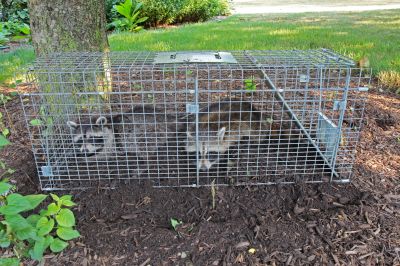
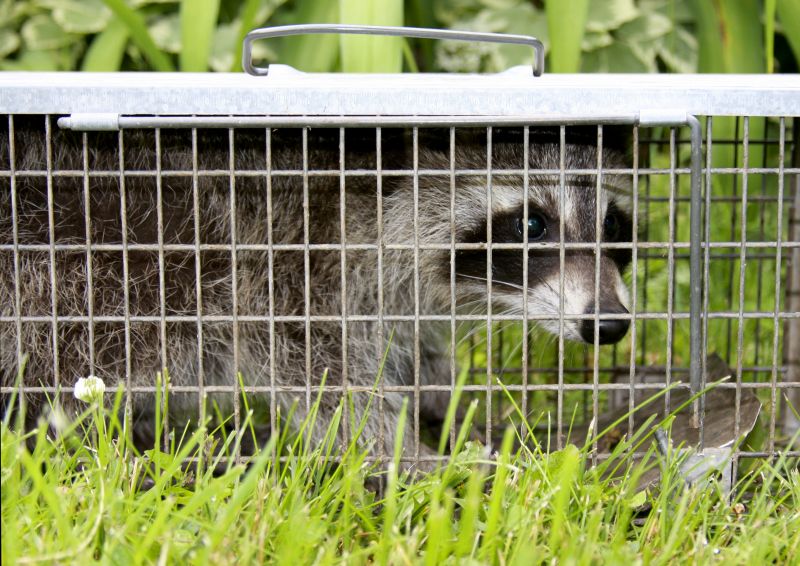
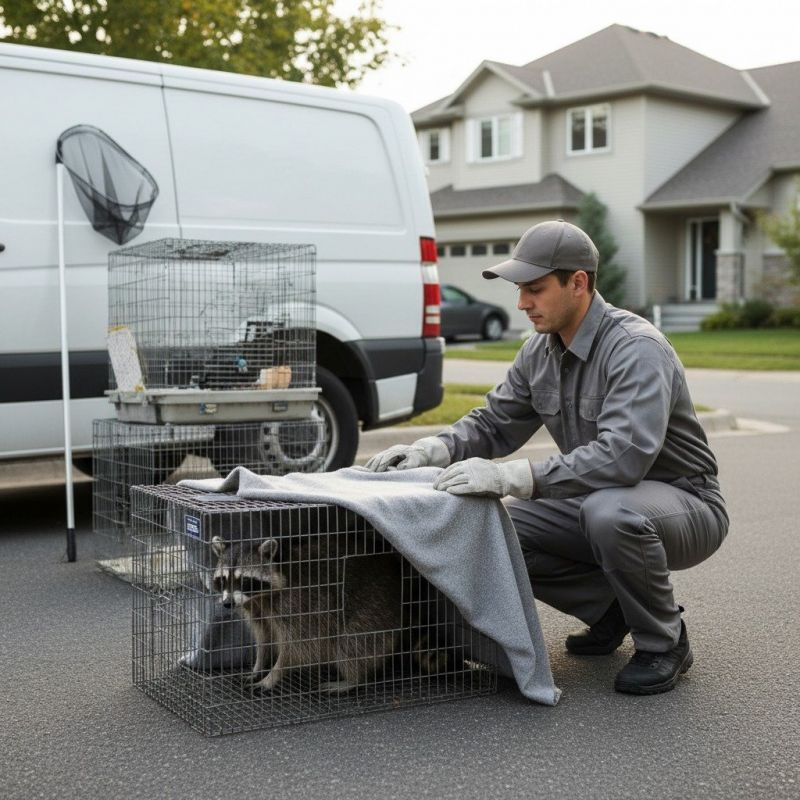
Seasonal racoon activity tends to fluctuate throughout the year, with certain times seeing increased movement and nesting behaviors. Typically, raccoons are most active during the spring and early summer months when they are searching for food and establishing territories. During this period, they may be seen rummaging through trash, exploring attics, or foraging in yards. Homeowners often notice raccoons around their property during these seasons, especially if they have accessible food sources or openings in roofs, chimneys, or vents. Understanding these activity patterns helps determine the best timing for removal efforts, as local service providers can target raccoon populations when they are most likely to be active and receptive to exclusion measures.
When considering when removal is most effective, timing plays a crucial role. Early intervention during peak activity periods can prevent raccoons from nesting or causing further damage to the property. For example, late spring to early summer is often ideal because raccoons are establishing dens and are more likely to be found in attics, chimneys, or crawl spaces. Waiting until the population has settled or the activity diminishes can make removal more difficult, as raccoons tend to be more cautious and less predictable. Local contractors experienced in raccoon removal are familiar with these seasonal patterns and can recommend the most strategic times to implement exclusion and removal services, increasing the chances of a successful and humane resolution.
Properties most commonly affected by seasonal raccoon activity include residential homes, especially those with accessible attics, chimneys, or roof vents. Commercial buildings, barns, and sheds can also become targets if they provide easy access or contain stored food or waste. Raccoons are opportunistic feeders and will take advantage of open trash cans, pet food left outdoors, or unsealed compost bins. These factors, combined with seasonal behaviors, can lead to increased raccoon presence during certain times of the year. Local service providers often handle these types of properties, offering tailored solutions to seal entry points, remove nests, and prevent future visits, ensuring that homes and buildings remain raccoon-free during high-activity seasons.
Understanding seasonal raccoon activity and when removal is most effective helps homeowners plan and address potential problems proactively. By recognizing the times of year when raccoons are most active, property owners can work with local contractors to schedule timely removal and exclusion services. These professionals bring experience in identifying signs of raccoon presence, such as damage or droppings, and can implement humane and effective strategies to remove raccoons and secure properties against future intrusion. Proper timing and professional assistance are key to minimizing property damage, preventing health risks, and ensuring that raccoons are handled in a safe and responsible manner.
Wildlife trapping services - local contractors skilled in humane raccoon trapping can assist with seasonal activity peaks and effective removal timing.
Home sealing and exclusion projects - experts who specialize in sealing entry points help prevent raccoon re-entry during high activity seasons.
Pest proofing and prevention services - these professionals focus on blocking access points to reduce raccoon activity during vulnerable times.
Roof and attic repair services - contractors experienced in fixing damage caused by raccoons can address issues that arise during seasonal activity spikes.
Animal damage repair services - specialists who repair and restore property damage caused by raccoons during peak seasons.
Inspection and assessment services - local experts who evaluate property vulnerability during periods of increased raccoon activity and advise on removal timing.

When evaluating local contractors for seasonal raccoon activity and when removal is most effective, it is helpful to consider their experience with similar wildlife management projects. Contractors who have handled raccoon removals during different times of the year can provide insights into the most strategic approaches for your specific situation. An experienced service provider will understand raccoon behavior and seasonal patterns, which can influence the success of removal efforts and help determine the optimal timing for intervention.
Clear, written expectations are essential when comparing service providers. A reputable contractor should be able to outline the scope of work, methods used, and any follow-up procedures in a detailed proposal or estimate. This transparency ensures there are no misunderstandings about what the removal process entails and helps homeowners assess whether the approach aligns with their needs. Having well-defined expectations also makes it easier to compare different contractors on the basis of professionalism and thoroughness.
Reputable references and good communication are key factors when selecting local pros for raccoon removal services. Contractors who can provide references from past clients typically demonstrate a history of reliable work. Additionally, clear and prompt communication during the inquiry process can indicate how well a service provider will coordinate and keep homeowners informed throughout the project. Choosing a contractor with strong references and open communication can contribute to a smoother experience and a more effective solution for managing seasonal raccoon activity.
Property owners often search for seasonal racoon activity and when removal is most effective when they are planning practical projects around their homes and businesses. Local pros provide Seasonal Racoon Removal services for everyday jobs and straightforward project options.


Understanding seasonal raccoon activity can help property owners plan the most effective removal strategies. Raccoons tend to be more active during certain times of the year, especially in spring and early summer when they are raising their young, and in late fall as they prepare for winter. During these periods, raccoons are more likely to seek shelter in attics, crawl spaces, or around the property, increasing the chances of encounters. Recognizing these patterns can help homeowners decide when to seek assistance from local contractors who specialize in raccoon removal, ensuring the job is done at a time when it is most effective.
Timing also plays a crucial role in the success of raccoon removal efforts. Engaging with experienced service providers during peak activity seasons can prevent property damage and reduce the risk of raccoons establishing permanent nests. Property owners in the area might consider consulting local contractors who understand raccoon behavior throughout the year and can recommend the best window for removal. This proactive approach ensures that the removal process aligns with raccoon activity cycles, leading to more efficient and humane solutions.
When is raccoon activity highest during the year? Raccoon activity tends to increase during spring and early summer months when they are foraging for food and raising their young, making this the peak time for sightings and potential entry points.
Why is seasonal raccoon removal most effective in certain months? Seasonal raccoon removal services are most effective when raccoon activity is at its peak, typically in spring and early summer, as it allows professionals to address active populations before they settle into structures or reproduce further.
How do local contractors determine the best time for raccoon removal? Local service providers assess raccoon activity patterns, environmental factors, and the timing of breeding seasons to identify the most effective periods for removal efforts, usually aligning with increased activity during warmer months.
Are there specific seasons when raccoons are less active and removal less necessary? Raccoons tend to be less active during late fall and winter months, which can make removal efforts less urgent, although inspections may still be recommended to prevent future issues.
Can seasonal changes impact the success of raccoon removal services? Yes, seasonal changes influence raccoon behavior, and scheduling removal services during peak activity periods can increase the likelihood of successful exclusion and prevent future problems.
Monitor racoon activity patterns - observing seasonal changes can help property owners determine optimal times for removal services with local contractors.
Schedule removal during peak activity - coordinating with local pros when raccoons are most active increases the chances of effective removal.
Identify vulnerable entry points - inspecting property structures during different seasons can reveal openings raccoons use, which local service providers can address.
Implement preventative measures ahead of busy seasons - working with local pros to secure property features before raccoon activity peaks can reduce future issues.
If you are thinking about seasonal racoon activity and when removal is most effective for a property, this guide is meant to help you understand this topic, the typical project types, and how different options might fit your plans.
When you are ready, you can use the quote form on this page to share a few details about your project. From there, local pros can review the basics and follow up with options that match what you have in mind.