Common Entry Points Raccoons Use to Access Buildings
People seeking raccoon removal often want to identify and seal common entry points raccoons use to access buildings, and local service providers can help safely eliminate these pests and secure entry areas.
If you’ve been researching how raccoons gain entry to buildings, you’ve come to the right place. Understanding the common entry points raccoons use can help property owners identify vulnerabilities before animals find their way inside. Raccoons are clever and adaptable creatures, often exploiting small openings or weak spots around roofs, vents, chimneys, and foundation areas. Recognizing these potential access points is a practical step toward safeguarding a property and preventing costly damage or unwanted wildlife encounters. Local service providers who specialize in raccoon removal are experienced in identifying these entry points and can recommend effective solutions to keep raccoons out of buildings.
Exploring the typical ways raccoons access structures highlights the importance of proactive property maintenance and inspection. Many raccoon entry points are surprisingly simple to overlook, such as gaps in soffits, damaged vents, or loose flashing. Addressing these vulnerabilities promptly can make a significant difference in deterring raccoons from attempting to enter. When property owners understand where raccoons are likely to try to get inside, they can better work with local contractors who offer raccoon removal services. These experts can help ensure that entry points are properly sealed and protected, reducing the risk of future raccoon intrusions and the associated problems they can cause.
- Attic and roof vents - homeowners noticing raccoons entering through vents can rely on local contractors to seal or repair openings effectively.
- Chimney openings - when raccoons are found nesting in chimneys, service providers can install chimney caps or blockages to prevent access.
- Gaps around soffits and fascia - if raccoons are exploiting gaps in roof edges, local pros can identify and secure these entry points.
- Broken or loose fascia boards - service providers can repair or replace damaged fascia to eliminate raccoon entry routes.
- Unsecured attic vents or louvers - when raccoons are using attic vents as entry points, local contractors can install barriers or screens to block access.
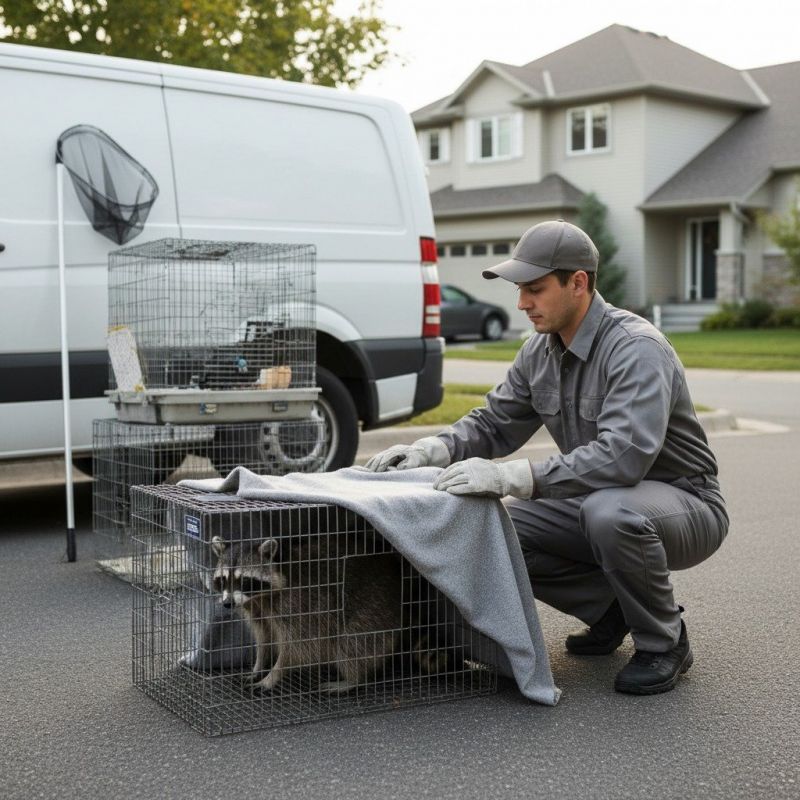
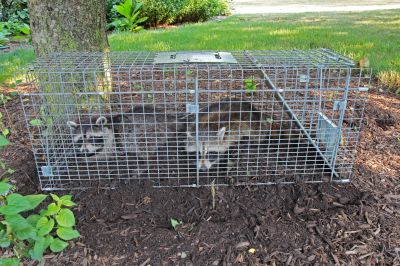
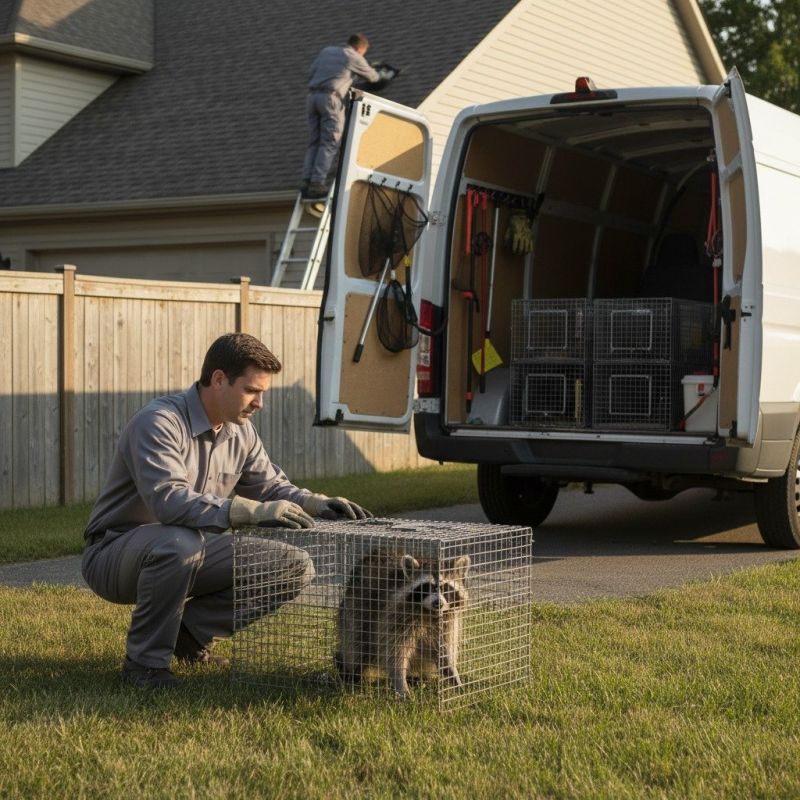
When homeowners search for information about common entry points raccoons use to access buildings, they are typically trying to understand how these clever animals gain access to their properties. Many people notice signs of raccoon activity-such as disturbed attic insulation, chewed wiring, or droppings-and want to identify how the animals are getting inside. This search often relates to concerns about property damage, potential health risks, or the need to remove raccoons safely and prevent future invasions. Understanding the entry points helps homeowners develop effective plans to seal off vulnerabilities and work with local service providers who specialize in raccoon removal and exclusion.
This topic is especially relevant for those dealing with raccoon problems on residential properties, commercial buildings, or outbuildings like garages and sheds. Raccoons are resourceful creatures that often seek out easy access to shelter and food sources. They tend to exploit structural weaknesses, making entry through rooflines, vents, or broken windows common. Property owners may be planning to remove raccoons or prevent their return, which involves identifying and sealing these entry points. Local contractors experienced in raccoon removal can assess the property, locate these common access points, and implement exclusion methods to keep raccoons out permanently.
Properties that frequently come up in discussions about raccoon entry points include attics, chimneys, roof vents, soffits, and damaged soffit vents. Raccoons are known to climb trees and jump onto roofs, where they often find gaps or openings that lead into the attic or crawl spaces. They may also exploit broken or improperly sealed vents, gaps around chimney flashing, or damaged fascia boards. Outbuildings like sheds and garages are also vulnerable if their doors, vents, or windows are left unsecured. Homeowners working on property repairs or upgrades often seek advice on how to identify these vulnerabilities, and local service providers can help by inspecting the property and recommending secure sealing solutions.
Understanding common entry points raccoons use to access buildings is essential for effective removal and prevention. These animals are highly adaptable and can exploit even small openings to gain entry. Working with local raccoon removal specialists ensures that all potential access points are thoroughly identified and properly sealed. This proactive approach helps prevent future invasions, reduces property damage, and minimizes health risks associated with raccoon droppings or bites. Homeowners who recognize the typical entry points and enlist professional assistance can better protect their properties from these persistent and intelligent animals.
Building Inspection Services - professionals who assess structures for potential entry points raccoons may use, helping property owners identify vulnerabilities.
Sealing and Repair Projects - contractors specializing in sealing gaps, vents, and openings that raccoons commonly exploit to access buildings.
Pest Proofing Services - experts who implement barriers and exclusion techniques to prevent raccoons from entering through common access points.
Roofing and Attic Restoration - specialists who address roof vulnerabilities and attic entry points that raccoons often use for access.
Gutter and Vent Cover Installations - service providers who install protective covers on gutters and vents to block raccoon entry routes.
Wildlife Exclusion Projects - professionals experienced in safely removing raccoons and securing entry points to prevent future access.
When evaluating service providers for raccoon removal, it is important to consider their experience with similar projects, specifically those involving common entry points raccoons use to access buildings. An experienced contractor will have a clear understanding of how raccoons typically gain entry, such as through roof vents, chimneys, or gaps around soffits, and will be able to identify these vulnerabilities effectively. Ensuring that a local contractor has a history of successfully handling raccoon intrusion cases can provide peace of mind that they are familiar with the challenges and best practices associated with these issues.
Clear written expectations are vital when comparing potential service providers. A reputable local contractor should be able to outline the scope of work, including how they plan to identify and seal entry points, remove raccoons humanely, and prevent future access. Having detailed, written guidelines helps ensure that both parties are aligned on what the job entails and reduces misunderstandings. It also provides a record of the agreed-upon services, which can be helpful if questions or concerns arise during or after the project.
Good communication and reputable references are key indicators of a reliable service provider. Pros who can provide references from previous clients or examples of similar projects demonstrate transparency and accountability. Open lines of communication throughout the process allow homeowners to ask questions, receive updates, and express specific concerns about entry points or removal methods. Choosing a local contractor known for clear, professional communication and positive references can make the experience of raccoon removal more straightforward and less stressful.
Property owners often search for common entry points raccoons use to access buildings when they are planning practical projects around their homes and businesses. Local pros provide Raccoon Removal services for everyday jobs and straightforward project options.

Understanding the common entry points raccoons use to access buildings can help property owners identify vulnerabilities around their properties. Raccoons are known for their dexterity and curiosity, often finding small gaps or openings in roofs, vents, chimneys, and attic vents that may seem minor but provide easy access for these animals. Over time, natural wear and tear, damaged flashing, or poorly sealed areas can create opportunities for raccoons to enter and establish nests inside buildings. Recognizing these typical entry points is an important step in preventing unwanted raccoon visits and potential damage.
When raccoons gain access to a building, property owners may consider professional raccoon removal services to address the situation effectively. Local contractors who specialize in raccoon removal can evaluate the property for these common entry points and implement appropriate exclusion measures to prevent future intrusions. Engaging experienced service providers can help ensure that entry points are properly sealed and that raccoons are safely and humanely removed, reducing the risk of further property damage or health concerns.
What are common entry points raccoons use to access buildings? Raccoons often access buildings through roof vents, chimney openings, attic vents, and gaps around utility lines or pipes.
How do raccoons typically enter basements or crawl spaces? They may exploit cracks in foundation walls, damaged basement windows, or gaps around utility entries to gain entry.
Are roof vents a frequent entry point for raccoons? Yes, raccoons commonly use roof vents, especially if they are damaged or improperly sealed, to access attics and upper floors.
Can gaps around utility lines lead to raccoon entry? Gaps around utility lines, pipes, or cable entries are common entry points that raccoons may use to reach interior spaces.
How can local contractors help prevent raccoon entry points? They can inspect and seal potential entry points such as vents, gaps, and damaged areas to help prevent raccoon access and facilitate removal services.
Identify potential entry points - property owners can inspect buildings for small openings or gaps that raccoons may use to gain access, and local contractors can help seal these areas.
Secure roof vents and chimneys - covering or reinforcing roof vents and chimneys prevents raccoons from entering through these common entry points, with local pros providing professional installation.
Reinforce doors and windows - ensuring doors and windows are properly sealed and fitted reduces the chances of raccoons squeezing inside, and local service providers can assist with effective repairs.
Inspect and repair soffits and fascia - damaged or loose soffits and fascia boards can serve as entry points, and local contractors can perform necessary repairs to block raccoon access.
If you are thinking about common entry points raccoons use to access buildings for a property, this guide is meant to help you understand this topic, the typical project types, and how different options might fit your plans.
When you are ready, you can use the quote form on this page to share a few details about your project. From there, local pros can review the basics and follow up with options that match what you have in mind.