Preventing Raccoon Damage to Roofs, Attics, and Siding
People searching for racoon removal are typically looking to prevent raccoons from damaging roofs, attics, and siding, and local service providers can help with effective removal and prevention.
Property owners in the area often find that preventing raccoon damage to roofs, attics, and siding is essential for maintaining the integrity and safety of their homes. Raccoons are clever and persistent animals that can cause significant harm if they gain access to your property, leading to costly repairs and potential health concerns. Exploring effective prevention methods and understanding the risks involved can help protect your investment, especially if your home is located near wooded areas or has features that make it attractive to raccoons. Local service providers specializing in raccoon removal and exclusion can offer practical solutions to keep these animals at bay and prevent damage before it starts.
For those seeking peace of mind, connecting with experienced local contractors who focus on raccoon removal services can be a wise step. These professionals understand the common ways raccoons access roofs, attics, and siding, and can recommend tailored strategies to block entry points and safeguard your home. Keep reading to learn about practical prevention tips and how local experts can assist in maintaining a raccoon-free property, helping to avoid costly repairs and protect your home’s comfort and safety.
- Raccoon-proofing services are recommended when homeowners notice raccoons attempting to access roofs, attics, or siding, and local contractors can install barriers to prevent entry.
- Damage prevention for roofs, attics, and siding is essential if raccoons are causing structural harm, with service providers offering exclusion techniques to keep animals out.
- Raccoon entry prevention is needed when there are signs of raccoon activity near a property, and local pros can seal entry points to protect the home.
- Attic and roof protection services are sought when raccoons are nesting or foraging nearby, with contractors implementing deterrents and secure barriers.
- Siding and roof damage mitigation is necessary if raccoons are causing wear or tearing, and service providers can help reinforce vulnerable areas to prevent future issues.
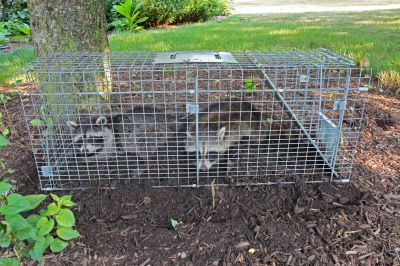
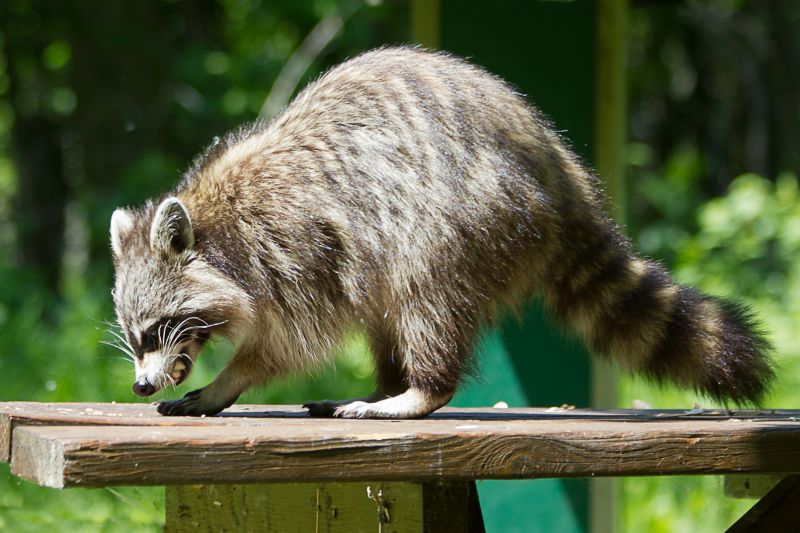
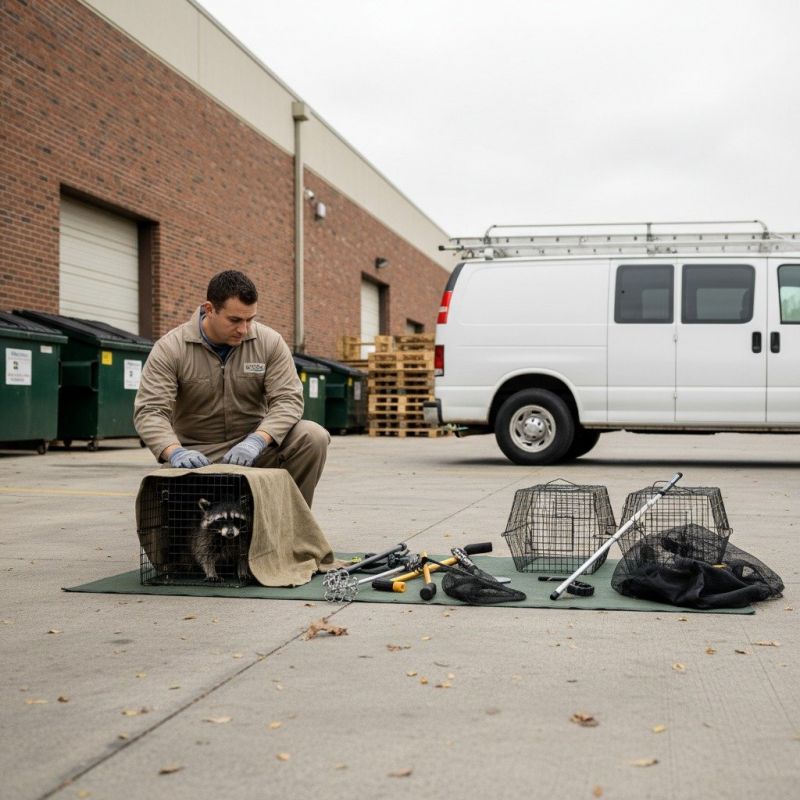
When people search for preventing raccoon damage to roofs, attics, and siding, they are often looking for ways to protect their homes from these clever and persistent animals. Raccoons are known to seek shelter in residential properties, especially in attics and under roof eaves, where they can find warmth and safety. Homeowners may notice signs of raccoon activity, such as scratching sounds at night, damage to roofing materials, or debris in their yards. The goal in these searches is typically to find effective methods to deter raccoons and prevent costly repairs caused by their nesting habits or attempts to access the home’s interior.
This topic relates to a range of problems and planning efforts around raccoon behavior and property protection. Raccoons can cause significant damage by tearing off shingles, gnawing on siding, or creating entry points into attics. They may also leave behind waste that can lead to unpleasant odors and attract other pests. Homeowners often consider preventive measures as part of broader property maintenance or renovation projects, especially when they notice early signs of raccoon presence. Additionally, some property owners plan to install barriers or modify their building structures to make their homes less accessible to these animals, reducing the risk of future damage.
Properties most commonly affected by raccoon activity tend to include single-family homes, especially those with accessible attics or roof spaces. Older houses with gaps in siding or roofing are particularly vulnerable, as raccoons can exploit small openings to gain entry. Rural properties with nearby wooded areas or water sources also tend to attract raccoons, making preventive efforts essential. In urban settings, raccoons may seek refuge in abandoned buildings or unoccupied structures, but residential homes remain prime targets for damage if proper barriers are not in place. Recognizing these property types helps homeowners understand the importance of proactive measures to protect their investments.
Local service providers specializing in raccoon removal and property protection play a key role in preventing raccoon damage to roofs, attics, and siding. These professionals can assess a property’s vulnerabilities, identify existing entry points, and recommend tailored solutions such as exclusion devices, repairs, or barriers. Engaging with experienced contractors ensures that raccoon activity is addressed effectively, reducing the likelihood of ongoing damage and the need for costly repairs. For homeowners seeking to safeguard their homes, connecting with local pros provides a practical way to implement proven strategies and restore peace of mind, knowing that expert help is available to handle raccoon-related issues.
Gutter protection installation - local contractors can help prevent raccoons from accessing roof eaves and attics by installing effective gutter guards and barriers.
Attic sealing and insulation - specialists can secure entry points and improve insulation to deter raccoons from nesting in attics and causing damage.
Siding repair and reinforcement - experts can reinforce or replace damaged siding to prevent raccoons from gaining entry and damaging the structure.
Roof inspection and repair - service providers can identify and fix vulnerabilities in roofing that raccoons might exploit to access the attic or siding.
Wildlife exclusion services - local pros can install exclusion devices to block raccoon entry points, protecting roofs, attics, and siding from future damage.
Venting and chimney cap installation - specialists can secure vents and chimneys to prevent raccoons from nesting or entering through these openings.
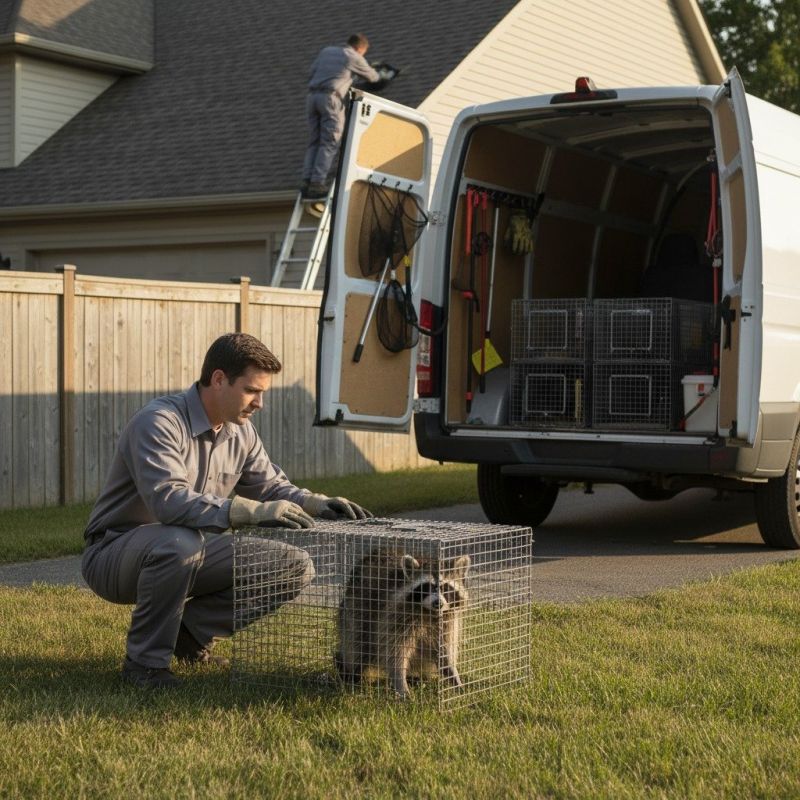
When evaluating service providers for preventing raccoon damage to roofs, attics, and siding, it’s important to consider their experience with similar projects. Homeowners should inquire about how many raccoon removal and prevention jobs the local contractors have completed, especially those involving the specific areas of concern. An experienced professional will have a better understanding of raccoon behaviors and the most effective methods to secure vulnerable entry points, reducing the likelihood of future damage. Demonstrating familiarity with the unique challenges of raccoon prevention can help ensure that the chosen service provider is well-equipped to handle the job effectively.
Clear written expectations are crucial when comparing local contractors for raccoon prevention services. Homeowners should seek detailed descriptions of the scope of work, including inspection procedures, exclusion techniques, and any follow-up measures. Having a transparent plan helps to avoid misunderstandings and ensures that both parties are aligned on what will be accomplished. Well-defined expectations also provide a basis for assessing whether a contractor’s approach matches the homeowner’s concerns about preventing raccoon damage to roofs, attics, and siding.
Reputable references and good communication are key factors in selecting a reliable service provider. Homeowners should ask for references from previous clients who had similar raccoon prevention needs and verify the quality of the work performed. Additionally, clear and open communication throughout the process allows homeowners to ask questions, express specific concerns, and receive updates on progress. Choosing local contractors known for their professionalism and responsiveness can contribute to a smoother experience and increase confidence that the raccoon prevention project will be handled thoroughly and effectively.
Property owners often search for preventing raccoon damage to roofs, attics, and siding when they are planning practical projects around their homes and businesses. Local pros provide Racoon Removal services for everyday jobs and straightforward project options.
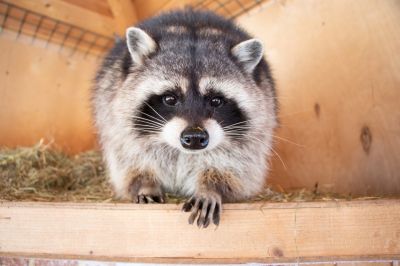
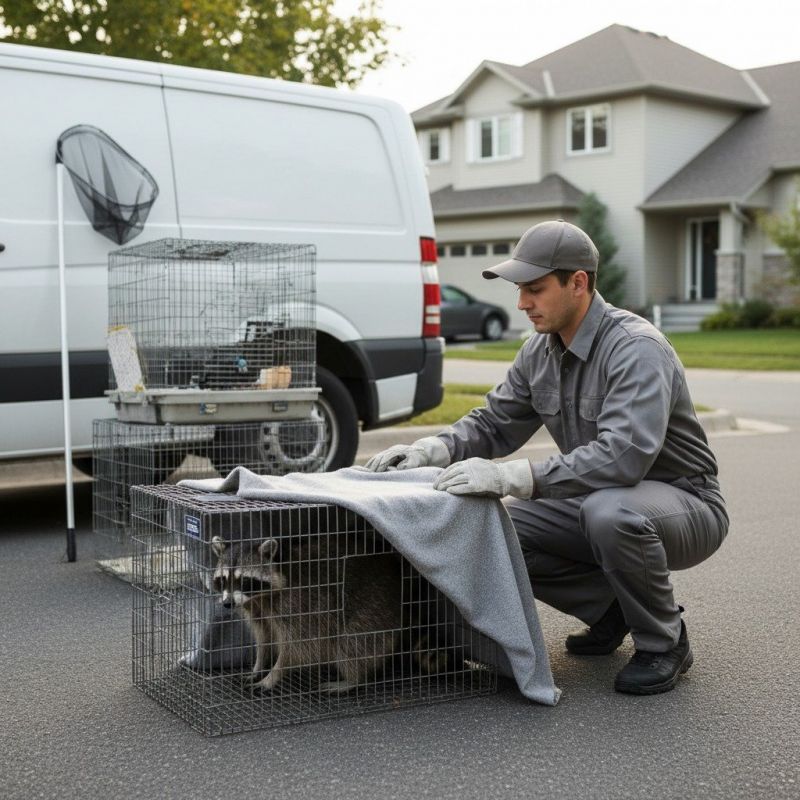
Homeowners in the area often look up information on preventing raccoon damage to roofs, attics, and siding after noticing signs of intrusion or damage. Raccoons are known for seeking shelter in attics and climbing onto roofs, which can lead to costly repairs and safety concerns. Property owners may find themselves searching for simple, effective ways to protect their homes from these clever animals, especially if they have experienced previous issues or want to avoid future problems. Local contractors specializing in raccoon removal and exclusion can provide practical solutions, such as sealing entry points and installing barriers, to help prevent raccoon damage and keep unwanted visitors out.
Many property owners consider raccoon removal services when they observe raccoons rummaging through their yards or causing damage to their homes. These animals can cause significant harm to roof vents, siding, and insulation, making professional intervention a sensible step. By working with service providers experienced in raccoon removal, homeowners can address existing issues and implement preventative measures to safeguard their property. Connecting with local pros ensures that effective, tailored strategies are used to reduce the risk of raccoon damage to roofs, attics, and siding, helping maintain the integrity and safety of the home.
How can I prevent raccoons from entering my attic? Local contractors can assess potential entry points and install barriers or deterrents to keep raccoons out of attics, reducing damage and noise.
What steps are effective in protecting roofs and siding from raccoon damage? Service providers often recommend securing vents, chimney caps, and sealing gaps to prevent raccoons from accessing and damaging roofing and siding materials.
Are there humane ways to deter raccoons from my property? Many local pros utilize humane deterrents such as motion-activated lights or noise devices to discourage raccoons from approaching structures.
How do professionals identify signs of raccoon activity around my home? Experienced service providers look for evidence like tracks, droppings, chewed wires, or disturbed insulation to determine raccoon presence and plan appropriate prevention measures.
Why should I consider professional raccoon removal services for damage prevention? Local contractors have the expertise to safely and effectively address raccoon entry points and damage, helping to prevent future issues with minimal risk to property and inhabitants.
Secure entry points - sealing gaps, vents, and chimneys helps prevent raccoons from gaining access to roofs, attics, and siding, and local contractors can assist with proper sealing techniques.
Install barriers or fencing - adding fencing around vulnerable areas deters raccoons from climbing or nesting near the property, with local service providers offering effective barrier solutions.
Trim tree branches - reducing nearby tree overhang limits raccoons’ access to roofs and attics, and local pros can advise on safe trimming practices to minimize wildlife entry points.
Perform regular inspections - routine checks of roofs, siding, and attic vents help identify early signs of raccoon activity, with local contractors providing comprehensive assessment and removal services.
If you are thinking about preventing raccoon damage to roofs, attics, and siding for a property, this guide is meant to help you understand this topic, the typical project types, and how different options might fit your plans.
When you are ready, you can use the quote form on this page to share a few details about your project. From there, local pros can review the basics and follow up with options that match what you have in mind.